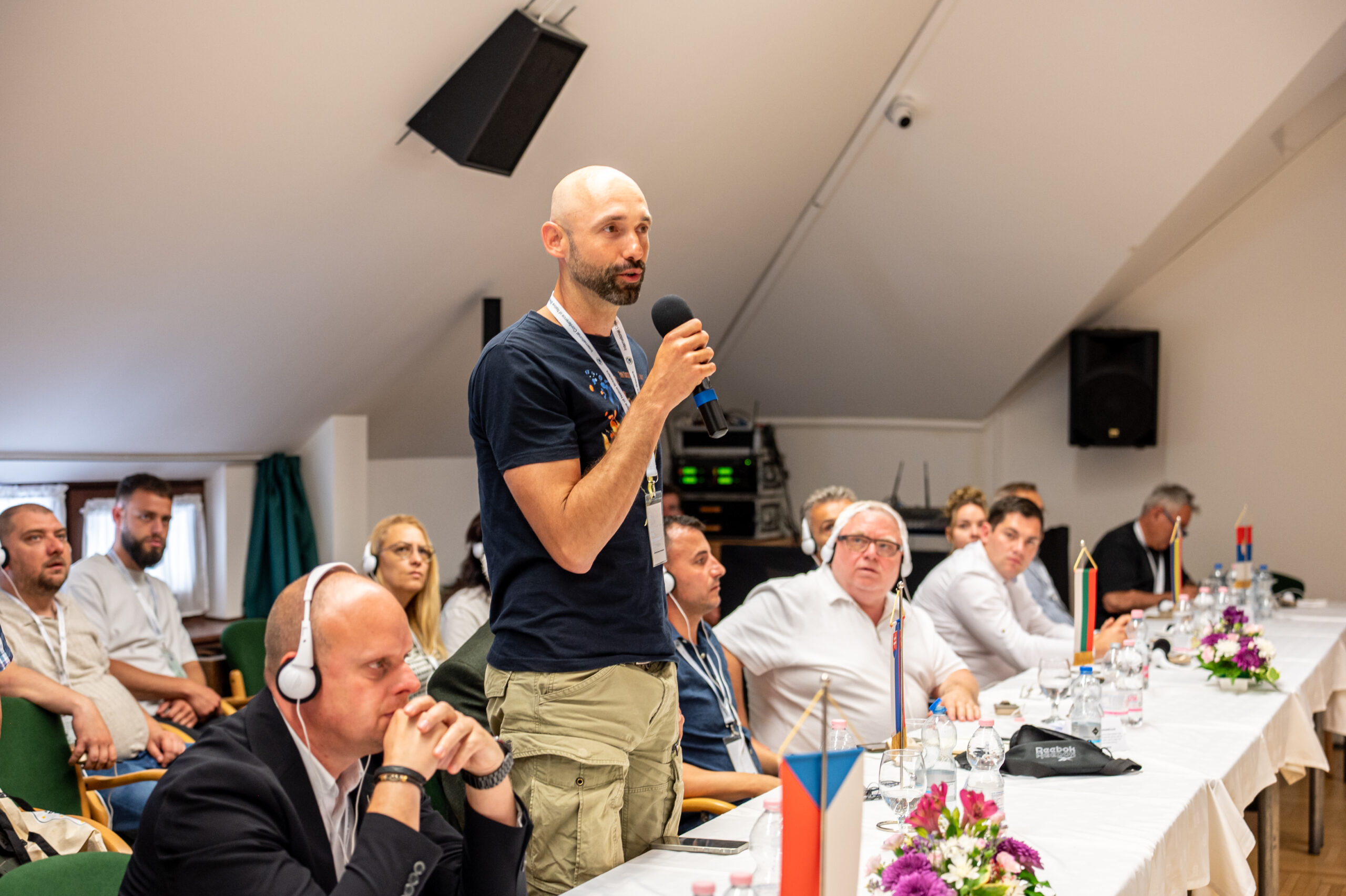

In May 2026, one of Hungary’s most iconic UNESCO World Heritage sites, Hortobágy, became the center of international agricultural dialogue as it hosted the first International Conference of Indigenous Livestock Breeders. The event brought together experts, researchers, and breeders from across Europe to discuss the future of indigenous livestock and the challenges facing the sector.
Participants from eleven countries attended the four-day conference, representing a wide range of breeder organizations, research institutions, and agricultural associations. The gathering provided a valuable platform for exchanging knowledge, sharing practical experiences, and identifying common strategies to protect indigenous breeds in an increasingly globalized agricultural environment.
Why Indigenous Breeds Matter
A central theme of the conference was the growing importance of indigenous livestock breeds in modern agriculture. As discussions highlighted, these animals possess unique advantages: they are more resilient to diseases, better adapted to local environmental conditions, and require fewer external inputs compared to high-performance commercial breeds.
These traits make indigenous breeds particularly valuable in the context of climate change and environmental sustainability. They play a crucial role in maintaining biodiversity, preserving traditional landscapes, and supporting low-impact farming systems.
At the same time, participants acknowledged a major concern: the anticipated reduction of European Union agricultural subsidies in the near future. This shift could significantly impact breeders who rely on support schemes to maintain indigenous populations. As a result, stronger cooperation and unified advocacy at the European level are becoming increasingly necessary.
A Call for European Cooperation
One of the key objectives of the conference was to lay the groundwork for a new international collaboration. Initiated by the Hungarian Grey Cattle Breeders’ Association, the event aimed to foster unity among European breeder organizations and propose the creation of an umbrella body—the European Federation of Autochthonous Breed Associations.
This proposed organization would serve to represent the collective interests of indigenous livestock breeders within EU decision-making processes, ensuring that their voices are heard and their values are protected against the dominance of globalized breeding systems.
The response from participants was overwhelmingly positive. Representatives from countries including Bulgaria, Malta, Italy, Slovakia, the Czech Republic, Romania (Transylvania), Estonia, Poland, Austria, Serbia, and Hungary expressed their support for closer cooperation and a shared strategic direction.
Key Topics and Outcomes
Throughout the conference, a series of professional presentations and panel discussions addressed some of the most pressing issues in the field. Key topics included genetic conservation strategies, sustainable grazing systems, the role of indigenous breeds in organic farming, and the integration of innovation and digital technologies in livestock breeding.
Participants shared national experiences, successful initiatives, and ongoing challenges, revealing that many issues—such as market access, generational renewal, and policy support—are common across countries.
A particularly important topic was the involvement of younger generations. Delegates emphasized that attracting and supporting young farmers is essential to ensure the long-term survival of indigenous breeds. Without generational continuity, even the most valuable genetic resources could be at risk.
Agreement on Common Goals
The conference concluded with a strong commitment to future cooperation. Delegates agreed on several shared priorities, including:
- Preserving genetic diversity over the long term
- Strengthening technical and professional support for breeders
- Increasing public awareness of indigenous breeds and their products
- Expanding market opportunities
- Coordinating advocacy efforts at the European Union level
These commitments were formalized in a joint declaration, signed by participating organizations, reaffirming their dedication to sustainable livestock breeding and international collaboration.
Experience Beyond the Conference Room
Beyond the professional program, participants were given the opportunity to experience Hortobágy’s unique cultural and natural heritage. Known as a historic center of pastoral life in Europe, the region offered firsthand insight into traditional livestock management and the everyday practices of Hungarian herdsmen.
The conference coincided with the 30th National Shepherds’ Meeting, providing an authentic cultural experience and an informal environment for networking and building partnerships.
Looking Ahead
The momentum generated by the conference is expected to continue in the coming months. Plans are already underway to formally establish the European Federation of Autochthonous Breed Associations. in autumn 2026 in Austria.
Interest in the initiative is growing, with additional organizations expressing their intent to join. Among them is Spain’s FEDERAPES, whose leadership has already indicated support for the new alliance.
A Shared Responsibility
The Hortobágy conference demonstrated that the preservation of indigenous livestock breeds is not only a national concern but a shared European responsibility. By bringing together stakeholders from across the continent, the event strengthened cooperation and set a clear direction for the future.
As agriculture continues to evolve, the value of indigenous breeds—rooted in tradition yet vital for sustainability—has never been more evident. The collaboration launched in Hortobágy marks an important step toward ensuring that these unique genetic and cultural resources are preserved for generations to come.