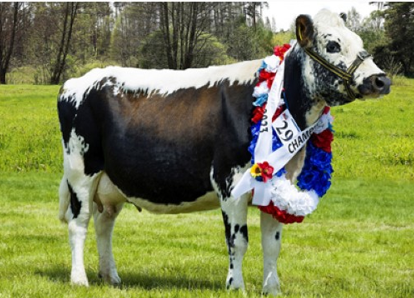

Preserving Europe's Heritage: The Importance of Autochthonous Livestock Breeds
Understanding Autochthonous Breeds
Autochthonous breeds are native livestock species that have developed in specific locations over long periods. These breeds are often closely adapted to local climates, terrains, and agricultural practices, making them invaluable to sustainability and biodiversity. From cattle and sheep to pigs and poultry, these breeds contribute significantly to our agricultural heritage.
Why Safeguarding Autochthonous Breeds Matters
Safeguarding native livestock breeds is crucial for several reasons:
- Diversity: Protecting a wide array of breeds ensures genetic diversity, which is essential for food security and adaptability to changing environmental conditions.
- Cultural Heritage: Many autochthonous breeds carry historical and cultural significance, embodying unique traditions and practices that enrich local communities.
- Economic Benefits: Local breeds can provide niche markets for farmers, offering unique products that cater to consumers seeking authenticity and quality.
- Environmental Sustainability: Indigenous breeds are often more resilient and require fewer resources, promoting sustainable farming practices that are better for the planet.
European Efforts to Protect Native Breeds
The European Federation of Autochthonous Breed Associations is at the forefront of protecting these invaluable livestock breeds. Here are some key initiatives:
Cooperation Among Member States
The federation encourages collaboration between countries to share knowledge, resources, and best practices. This cooperation helps to enhance breeding programs and ensure proper management of livestock.
Promotion of Awareness
Educational campaigns spotlight the importance of autochthonous breeds, fostering public interest and support. These initiatives seek to engage consumers and motivate them to choose products from native breeds.
Research and Development
Investing in research helps document and analyze the unique characteristics of different breeds, ensuring that their specific needs are understood and met. This research also plays a role in developing conservation strategies and effective breeding practices.
Examples of Autochthonous Livestock Breeds in Europe
Several breeds exemplify the rich diversity found across Europe:
- British Blue Shorthorn Cattle: Known for its hardiness and ability to thrive in various conditions, this breed has historical significance in the UK.
- Valdeon Cheese Sheep: Found in northern Spain, these sheep are integral to producing the famed Valdeon cheese, showcasing both culinary and agricultural heritage.
- Hungarian Grey Cattle: This ancient breed not only supports local agriculture but also plays a role in maintaining traditional landscapes.
- Caernarfon Sheep: Native to Wales, these sheep are prized for their wool, illustrating the intersection of sustainability and economic viability.
Tips for Supporting Autochthonous Breeds
Here are some practical ways in which individuals and communities can support the preservation of autochthonous livestock breeds:
- Choose Local Products: Purchase meat, dairy, and wool products derived from native breeds to help sustain local farmers and industries.
- Advocate for Policies: Support legislation that promotes the conservation of native breeds and sustainable farming practices.
- Educate Others: Share knowledge about the importance of autochthonous breeds in your community, helping to raise awareness.
- Participate in Local Fairs: Attend regional agricultural shows and fairs to learn about local breeds and connect with breeders.
Conclusion
The preservation of Europe's autochthonous livestock breeds is essential for maintaining biodiversity, cultural heritage, and sustainable agriculture. By fostering cooperation, raising awareness, and supporting local initiatives, we can ensure these breeds endure for future generations. Together, we can protect our agricultural heritage and promote sustainable practices that benefit both our communities and the environment.